Introduction
Laparoscopic surgery, also known as keyhole surgery, is a minimally invasive technique used to diagnose and treat various abdominal conditions. It has become a preferred approach for many surgical procedures due to its numerous advantages over traditional open surgery.
What is Laparoscopic Surgery?
Laparoscopic surgery is performed using a laparoscope — a thin, lighted tube with a camera — inserted through small incisions in the abdomen. The camera transmits live images, allowing the surgeon to perform the procedure with precision using specialised instruments.
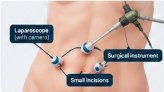
Laparoscopic surgery keyhole incision sites diagram
Key Point
Laparoscopic surgery allows complex procedures to be performed through small incisions, resulting in less pain, minimal scarring and quicker recovery.
How is Laparoscopic Surgery Performed?
Surgical Step-by-Step Overview
Small incisions are made in the abdomen.
A laparoscope is inserted to provide a magnified view.
Specialised instruments are used to perform the procedure.
The incisions are closed with sutures or surgical glue.
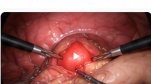
Intraoperative view during laparoscopic gallbladder surgery.
Video: Laparoscopic Surgery Explained
Laparoscopic Surgery: Procedure, Benefits and Recovery Explained
Watch this short video to understand how laparoscopic surgery is performed and its clinical benefits for patients.

Interactive clinical demonstration video
Benefits of Laparoscopic Surgery
Smaller incisions and minimal scarring
Less post-operative pain
Faster recovery and early return to normal activities
Lower risk of infection
Shorter hospital stay
Recovery After Laparoscopic Surgery
Most patients can return to normal activities within a few days to a week, depending on the type of procedure and individual health condition. Your surgeon will provide specific guidance on diet, physical activity and follow-up care.
Frequently Asked Questions
Common patient questions answered
How long is the recovery period after laparoscopic surgery?
Most patients recover significantly faster than open surgery, typically returning to light work and daily routines within 3 to 7 days.
Will there be visible scars after keyhole surgery?
Incisions are minimal (typically 5mm to 10mm) and fade into faint, barely noticeable marks over time.
Is general anaesthesia required for laparoscopic procedures?
Yes, laparoscopic abdominal procedures are conducted safely under general anaesthesia with full monitoring.
Conclusion
Laparoscopic surgery is a safe and effective option for many abdominal conditions. It offers significant benefits over traditional open surgery, including less pain, minimal scarring and faster recovery. If you are experiencing symptoms or have been advised surgery, consult a specialist to know if laparoscopic surgery is suitable for you.
“Informed patients make better decisions.”