• Advanced General & Laparoscopic Surgery
  • Quality Care
  • Patient First
  • A Healthier Tomorrow
Home › Treatments › Gallbladder Stones
Digestive

Gallbladder Stones

Minimally Invasive, Safe and Effective

Minimally invasive laparoscopic removal of gallbladder with stones — same day discharge possible.

Minimally Invasive
Technique
Less Pain &
Scarring
Faster
Recovery
Lower Risk
of Recurrence
Hernia Surgery Patient Care
Stronger
  Recovery
    Better Tomorrow

What is Hernia?

A hernia occurs when an internal organ or fatty tissue pushes through a weak spot in the abdominal wall. It can cause a noticeable bulge, discomfort or pain, especially while standing, coughing or lifting heavy objects. Common types include inguinal hernia, umbilical hernia and incisional hernia.
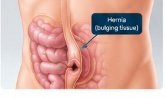
What is Hernia Diagram

Types of Hernia

Hernias can occur in different parts of the abdomen. The most common types are:

Inguinal Hernia

Inguinal Hernia

Most common type, occurs in the groin area.

Umbilical Hernia

Umbilical Hernia

Occurs near the belly button.

Incisional Hernia

Incisional Hernia

Occurs at the site of a previous surgical incision.

Symptoms of Hernia

Visible bulge in the abdomen or groin
Pain or discomfort, especially while lifting
Heaviness or pressure in the affected area
Swelling that may increase over time
Symptoms of Hernia

When to See a Doctor?

If you notice a bulge, persistent pain or discomfort in the abdomen or groin area, consult a specialist. Early diagnosis helps prevent complications such as hernia enlargement or bowel obstruction.

Seek immediate medical attention if you experience severe pain, nausea, vomiting or if the bulge becomes hard and painful.

Treatment Options

Hernia can be treated with either open surgery or laparoscopic surgery. In most cases, laparoscopic hernia repair is preferred due to its numerous advantages.

Open Hernia Surgery

  • Single larger incision
  • Longer recovery time
  • More post-operative pain

Laparoscopic Hernia Surgery
(Preferred Option)

  • Multiple small incisions
  • Less pain and scarring
  • Faster recovery
  • Lower risk of recurrence

How Laparoscopic Hernia Surgery is Performed?

01

Small incisions are made in the abdomen.

02

A laparoscope (camera) is inserted.

03

The hernia is repaired using a mesh.

04

Incisions are closed with sutures or glue.

Laparoscopic Hernia Repair Operation
The entire procedure is performed under general anaesthesia and usually takes 30–60 minutes, depending on the type and complexity of the hernia.
Frequently Asked Questions View All FAQs →
How long does hernia surgery take? +
Most laparoscopic hernia repairs take approximately 30 to 60 minutes. Complex or bilateral hernias may require slightly more time under general anaesthesia.
Is mesh used in laparoscopic hernia surgery? +
Yes. A tension-free prosthetic mesh is placed to reinforce the abdominal wall defect, significantly lowering the risk of hernia recurrence.
When can I return to normal activities? +
Patients can walk the same day and typically return to light daily tasks and office work within 3 to 7 days. Strenuous exercises and heavy lifting can be resumed after 3–4 weeks.
Is laparoscopic hernia surgery safe? +
Yes, it is widely recognized as very safe with minimal blood loss, minimal scarring, exceptionally low infection rates, and quick overall recovery.

Have Questions About Hernia Surgery?

Book a consultation with Dr. Soumya Pal for expert advice and customised treatment options.

Find a Chamber →